The NBA has seen many legendary players dominate the game throughout its history. Individual accolades and team accolades often dictate a player’s success in the league, such as winning MVP awards and championships.
Some legends finished their careers without an MVP award or a championship due to them being two of the hardest things to do in the NBA. Others may have won one, but failed to win the other, such as Karl Malone and Charles Barkley.
Winning regular season MVP and Finals MVP by themselves is hard to do, let alone winning both in the same season. In fact, only 10 players in NBA history can say that they have dominated a season from start to finish, winning both MVP awards in the same season. In the 2024/2025 season, Oklahoma City Thunder star Shai Gilgeous-Alexander fended off competition from Denver Nuggets superstar Nikola Jokic to win the MVP award, and will back himself to pick up Finals MVP honours as well given how well they have performed in the post-season.
Here are the only 10 players in NBA history who won both a regular season MVP and Finals MVP award in the same season.
1
Willis Reed
1 time: 1969-70
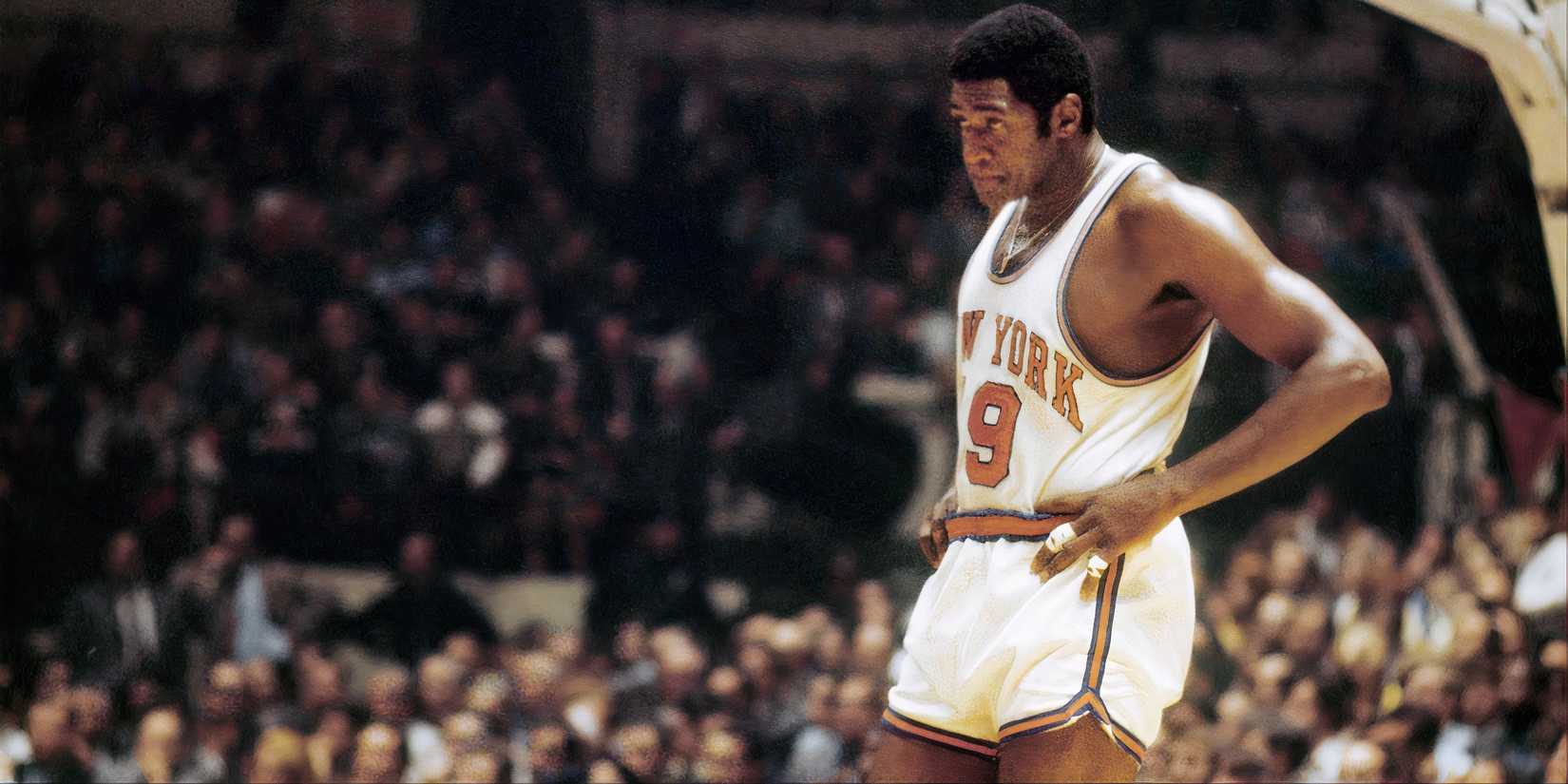
Willis Reed was the first player in NBA history to earn the achievement of winning the regular season and Finals MVP in the same season.
Reed posted the best season of his Hall of Fame career in 1969-70 for the  New York Knicks. He averaged 21.7 points, 13.9 rebounds and 2.0 assists en route to winning the MVP award over Jerry West and Kareem Abdul-Jabbar. He, along with Dave DeBusschere and Walt Frazier, also led the Knicks to the best record in the NBA at 60-22, making them the favorite to win the championship.
|
Willis Reed Stats 1969-70 |
||
|---|---|---|
|
Stat Category |
Regular Season |
NBA Finals |
|
PPG |
21.7 |
23.0 |
|
RPG |
13.9 |
10.5 |
|
APG |
2.0 |
2.8 |
|
FG% |
50.7% |
48.4% |
That is exactly what they did, defeating the  L.A. Lakers in seven games, capturing the second championship in franchise history. Reed led the way, averaging 23.0 points, 10.5 rebounds and 2.8 assists. He was awarded the Finals MVP award despite missing most of game five and all of game six due to an injury.
2
Kareem Abdul-Jabbar
1 time: 1970-71

Kareem Abdul-Jabbar accomplished the feat a year after Reed, winning both MVP awards in 1970-71.
During the 1970-71 season, Kareem led the NBA in scoring, averaging 31.7 points to go along with 16.0 rebounds and 3.3 assists per game en route to winning his first MVP award, beating out Jerry West. It was his first of six career MVP awards. He and Oscar Robertson also led the  Milwaukee Bucks to the best record in the league at 66-16, making them the championship favorite.
|
Kareem Abdul-Jabbar 1970-71 |
||
|---|---|---|
|
Stat Category |
Regular Season |
NBA Finals |
|
PPG |
31.7 |
27.0 |
|
RPG |
16.0 |
18.5 |
|
APG |
3.3 |
2.8 |
|
FG% |
57.7% |
60.5% |
The Bucks dominated through the playoffs, losing just two games on their way to the NBA Finals. In the Finals, they matched up against the Baltimore Bullets, now the  Washington Wizards. Kareem and the Bucks dominated the Bullets, sweeping them in four games, capturing the franchise’s first championship.
Kareem was the best player in the series, averaging 27.0 points and 18.5 points per game while shooting 60.5% from the field, taking home the Finals MVP award.
3
Moses Malone
1 time: 1982-83

The NBA would have to wait over a decade for the next player to accomplish the feat.
In 1982-83, Moses Malone became the third player to win both MVP awards in the same season. After winning MVP the prior season with the  Houston Rockets, Malone joined the
  Philadelphia 76ers in the 1982 offseason.
During the 1982-83 regular season, Malone averaged 24.5 points, 15.3 rebounds and 2.0 blocks en route to winning the MVP award over Larry Bird. He also led the Sixers to a 65-17 record, the best in the NBA.
|
Moses Malone Stats 1982-83 |
||
|---|---|---|
|
Stat Category |
Regular Season |
NBA Finals |
|
PPG |
24.5 |
25.8 |
|
RPG |
15.3 |
18.0 |
|
APG |
1.3 |
2.0 |
|
SPG |
1.1 |
1.5 |
|
BPG |
2.0 |
1.5 |
|
FG% |
50.1% |
50.7% |
The 76ers entered the postseason as the favorites. They lost just one game on their way to the NBA Finals, where they swept Magic Johnson and the Lakers. Malone led the way, averaging 25.8 points and 18.0 rebounds, winning the Finals MVP award.
4
Larry Bird
2 times: 1983-84 and 1985-86
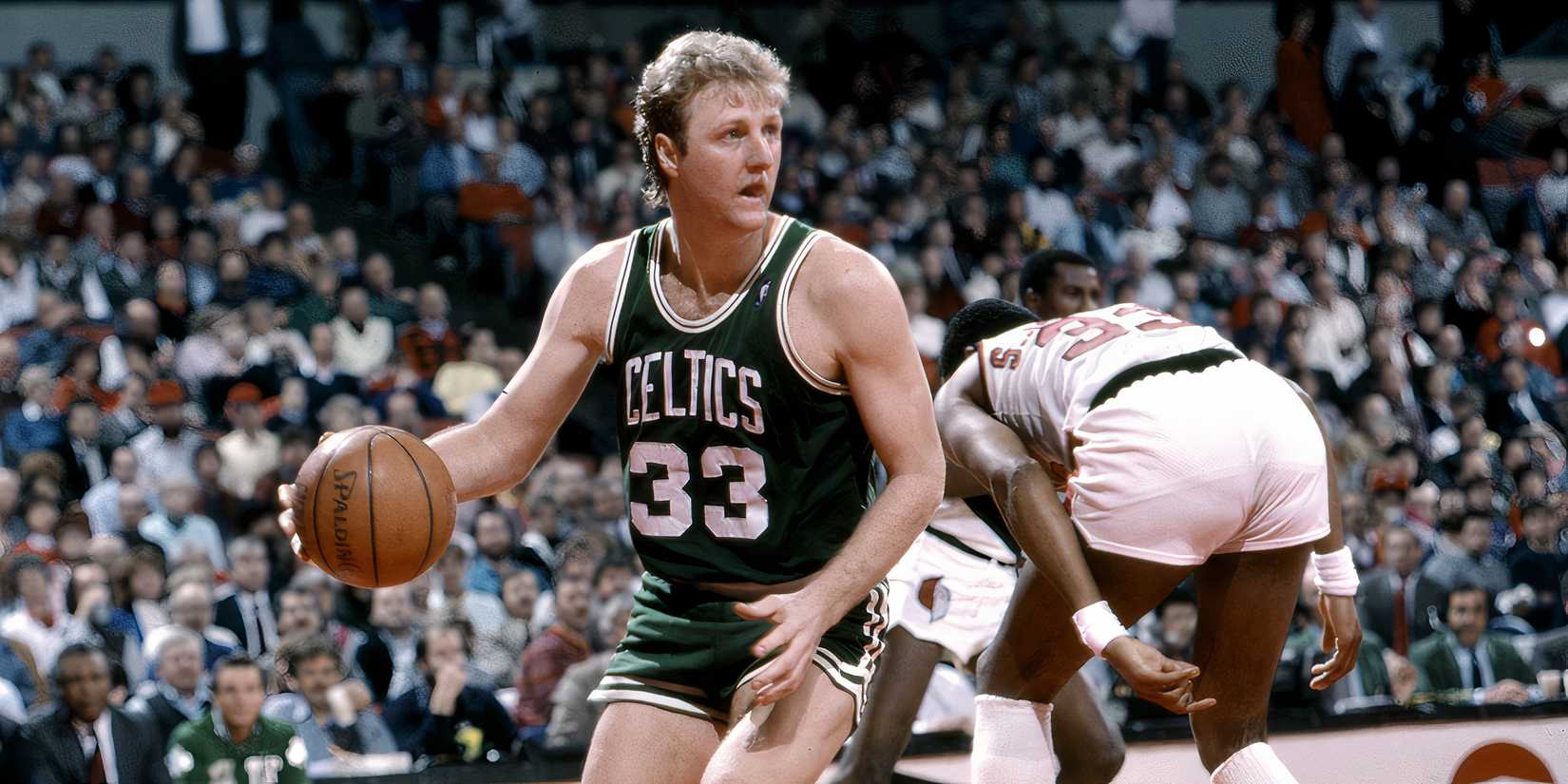
Larry Bird became the first player in NBA history to win both MVP awards in the same season twice.
The first time he accomplished the feat came in 1983-84. During the regular season, Bird averaged 24.2 points, 10.1 rebounds and 6.6 assists, beating out Bernard King in the MVP race. He also led the  Boston Celtics to a 62-20 record, the best in the NBA.
In the playoffs, the Celtics were challenged in the Eastern Conference Semifinals, narrowly escaping the Knicks in seven games. They then eliminated the Bucks in five games in the Conference Finals, setting up an NBA Finals matchup against the Lakers.
Boston defeated the Lakers in seven games, thanks to Bird. In the series, Bird averaged 27.4 points and 14.0 rebounds en route to being named Finals MVP.
|
Larry Bird Stats 1983-84 and 1985-86 |
||||||
|---|---|---|---|---|---|---|
|
Season |
PPG |
RPG |
APG |
SPG |
FG% |
3PT% |
|
Regular Season 1983-84 |
24.2 |
10.1 |
6.6 |
1.8 |
49.2% |
24.7% |
|
NBA Finals 1983-84 |
27.4 |
14.0 |
3.6 |
2.1 |
48.4% |
66.7% |
|
Regular Season 1985-86 |
25.8 |
9.8 |
6.8 |
2.0 |
49.6% |
42.3% |
|
NBA Finals 1985-86 |
24.0 |
9.7 |
9.5 |
2.7 |
48.2% |
36.8% |
The next season, in 1984-85, Bird won regular season MVP once again, but the Celtics fell to the Lakers in the Finals.
In 1985-86, Bird capped off his third consecutive MVP award by averaging 25.8 points, 9.8 rebounds and 6.8 assists, beating out Dominique Wilkins for the award. The Celtics once again posted the best record in the NBA, entering the playoffs as the championship favorite.
In the playoffs, Boston dominated their way to the NBA Finals, losing just one game, to the  Atlanta Hawks in the second round. They then entered the Finals against the Rockets. Boston defeated Houston in six games, thanks to Bird nearly averaging a triple-double in the series. He averaged 24.0 points, 9.7 rebounds and 9.5 assists and was awarded the Finals MVP award.
5
Magic Johnson
1 time: 1986-87
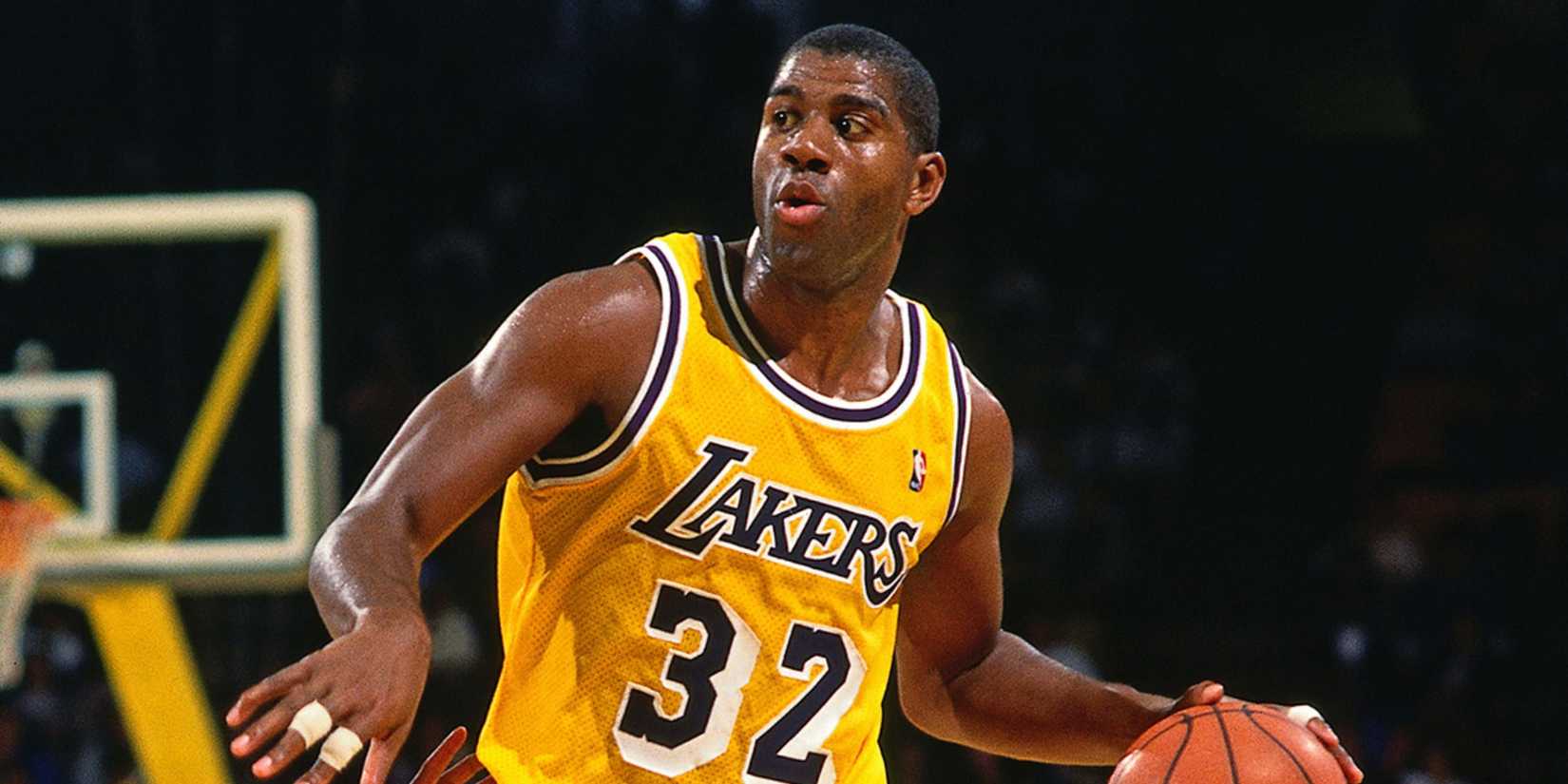
After Bird won both MVP awards in 1985-86, Magic Johnson accomplished the feat a season later, in 1986-87.
During the regular season, Magic averaged 23.9 points, 6.3 rebounds and 12.2 assists en route to winning the MVP award over Michael Jordan. He also led the Lakers to a 65-17 record, the best in the NBA that season.
|
Magic Johnson Stats 1986-87 |
||
|---|---|---|
|
Stat Category |
Regular Season |
NBA Finals |
|
PPG |
23.9 |
26.2 |
|
RPG |
6.3 |
8.0 |
|
APG |
12.2 |
13.0 |
|
SPG |
1.7 |
2.3 |
|
FG% |
52.2% |
54.1% |
|
3PT% |
20.5% |
50.0% |
Los Angeles entered the playoffs as a championship favorite. They dominated their way to the NBA Finals, losing just one game to the  Golden State Warriors in the second round. They then entered the Finals against a familiar foe, the Celtics.
The Lakers defeated the Celtics in six games, winning their first of two consecutive championships. Magic dominated his way to Finals MVP, averaging 26.2 points, 8.0 rebounds and 13.0 assists.
6
Michael Jordan
4 times: 1990-91, 1991-92, 1995-96, 1997-98
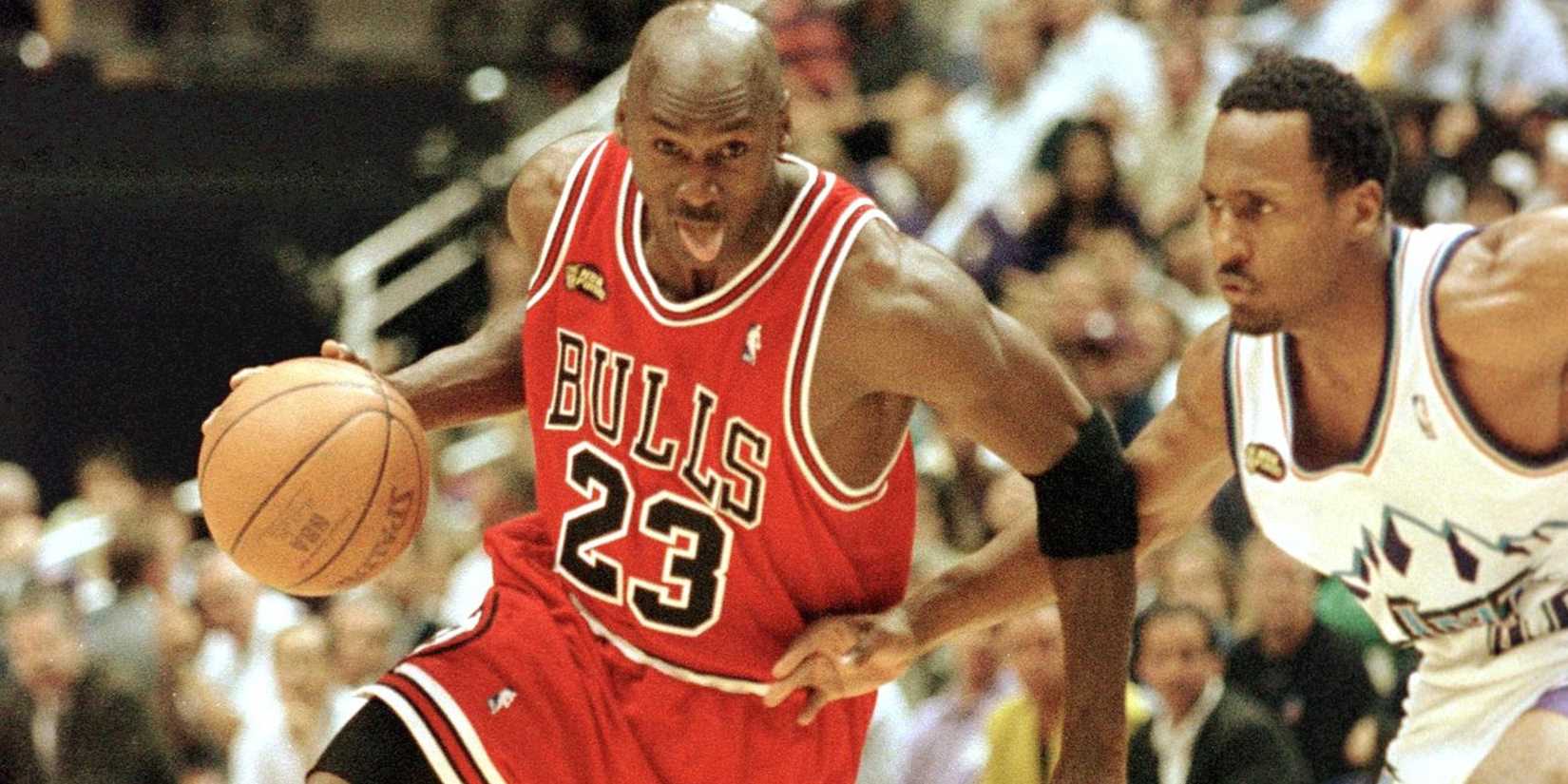
Michael Jordan is the only player in NBA history to win both MVP awards in the same season four times.
The first season he did so was in 1990-91. He averaged 31.5 points, 6.0 rebounds, 5.5 assists and 2.7 steals en route to winning the MVP award over Magic.
The  Chicago Bulls finished with the best record in the Eastern Conference and dominated their way to the Finals, losing just one game along the way. In the Finals, they faced Magic and the Lakers, but defeated them in five games, winning the Bulls their first championship in franchise history.
Jordan led the way, averaging 31.2 points, 6.6 rebounds, 11.4 assists and 2.8 steals, winning the Finals MVP award.
|
Michael Jordan Stats 1990-91 and 1991-92 |
||||||
|---|---|---|---|---|---|---|
|
Season |
PPG |
RPG |
APG |
SPG |
FG% |
3PT% |
|
Regular Season 1990-91 |
31.5 |
6.0 |
5.5 |
2.7 |
53.9% |
31.2% |
|
NBA Finals 1990-91 |
31.2 |
6.6 |
11.4 |
2.8 |
55.8% |
50.0% |
|
Regular Season 1991-92 |
30.1 |
6.4 |
6.1 |
2.3 |
51.9% |
52.6% |
|
NBA Finals 1991-92 |
35.3 |
4.8 |
6.5 |
1.7 |
52.6% |
42.9% |
The next season, in 1991-92, Jordan once again won regular season MVP, averaging 30.1 points, 6.4 rebounds and 6.1 assists, beating out Clyde Drexler for the award. The Bulls entered the playoffs as the championship favorite after winning 67 games during the regular season.
Unlike the playoffs the year before, the Bulls were tested in 1991-92. They narrowly escaped the Knicks in the second round, winning the series in seven games. The  Cleveland Cavaliers then pushed them to six games in the Conference Finals.
After a tough run through the East, the Bulls then faced the  Portland Trail Blazers in the Finals, defeating them in six games. Jordan once again took home Finals MVP after averaging 35.3 points, 4.8 rebounds and 6.5 assists in the series.
It would take four more seasons until Jordan accomplished the feat again, which he did in 1995-96. He averaged 30.4 points, 6.6 rebounds and 4.3 assists during the regular season, beating out David Robinson in the MVP race.
The Bulls once again entered the playoffs as the favorite after setting the then NBA record for wins in a season with 72. In the playoffs, Jordan and the Bulls steamrolled their way to the Finals, losing just once along the way. In the Finals, they defeated the Seattle SuperSonics in six games, thanks to Jordan averaging 27.3 points, 5.3 rebounds and 4.2 assists and being named Finals MVP for the fourth time in his career.
|
Michael Jordan Stats 1995-96 and 1997-98 |
||||||
|---|---|---|---|---|---|---|
|
Season |
PPG |
RPG |
APG |
SPG |
FG% |
3PT% |
|
Regular Season 1995-96 |
30.4 |
6.6 |
4.3 |
2.2 |
49.5% |
42.7% |
|
NBA Finals 1995-96 |
27.3 |
5.3 |
4.2 |
1.7 |
41.5% |
31.6% |
|
Regular Season 1997-98 |
28.7 |
5.8 |
3.5 |
1.7 |
46.5% |
23.8% |
|
NBA Finals 1997-98 |
33.5 |
4.0 |
2.3 |
1.8 |
42.7% |
30.8% |
In 1996-97, Jordan came close to winning both awards in the same season once again, but narrowly lost the regular season MVP race to Karl Malone. The next season, Jordan would have his revenge, averaging 28.7 points and 5.8 rebounds, this time beating out Malone in the MVP race.
Chicago finished the regular season tied with Malone’s  Utah Jazz for the best record in the league. During the playoffs, the Bulls once again dominated their way to the Conference Finals, where they were pushed to seven games by the
  Indiana Pacers.
After reaching the Finals for the third consecutive season, Chicago once again was at the top of the NBA, defeating the Jazz in six games to win their sixth championship in eight seasons. Jordan was also named Finals MVP for the sixth time after averaging 33.5 points and 4.0 rebounds in the Finals.
7
Hakeem Olajuwon
1 time: 1993-94

After Jordan left the NBA to play baseball, Hakeem Olajuwon became the most dominant player in the league.
In 1993-94, Olajuwon averaged 27.3 points, 11.9 rebounds and 3.7 blocks, beating out David Robinson in the MVP race. He also led the Rockets to the second-best record in the NBA, behind the SuperSonics.
|
Hakeem Olajuwon Stats 1993-94 |
||
|---|---|---|
|
Stat Category |
Regular Season |
NBA Finals |
|
PPG |
27.3 |
26.9 |
|
RPG |
11.9 |
9.1 |
|
APG |
3.6 |
3.6 |
|
SPG |
1.6 |
1.6 |
|
BPG |
3.7 |
3.9 |
|
FG% |
52.8% |
50.0% |
In the playoffs, the Rockets dominated their way past the Trail Blazers in the first round, but narrowly escaped the  Phoenix Suns in the second round after going seven games. They then dominated the Jazz in the Conference Finals, setting up a matchup with the Knicks in the Finals.
After the Knicks took a 3-2 lead after game five, the Rockets’ season hung in the balance. Olajuwon led the Rockets to wins in games six and seven, winning the franchise their first championship. In the Finals, Olajuwon averaged 26.9 points, 9.1 rebounds and 3.9 blocks en route to winning the Finals MVP award.
8
Shaquille O’Neal
1 time: 1999-00
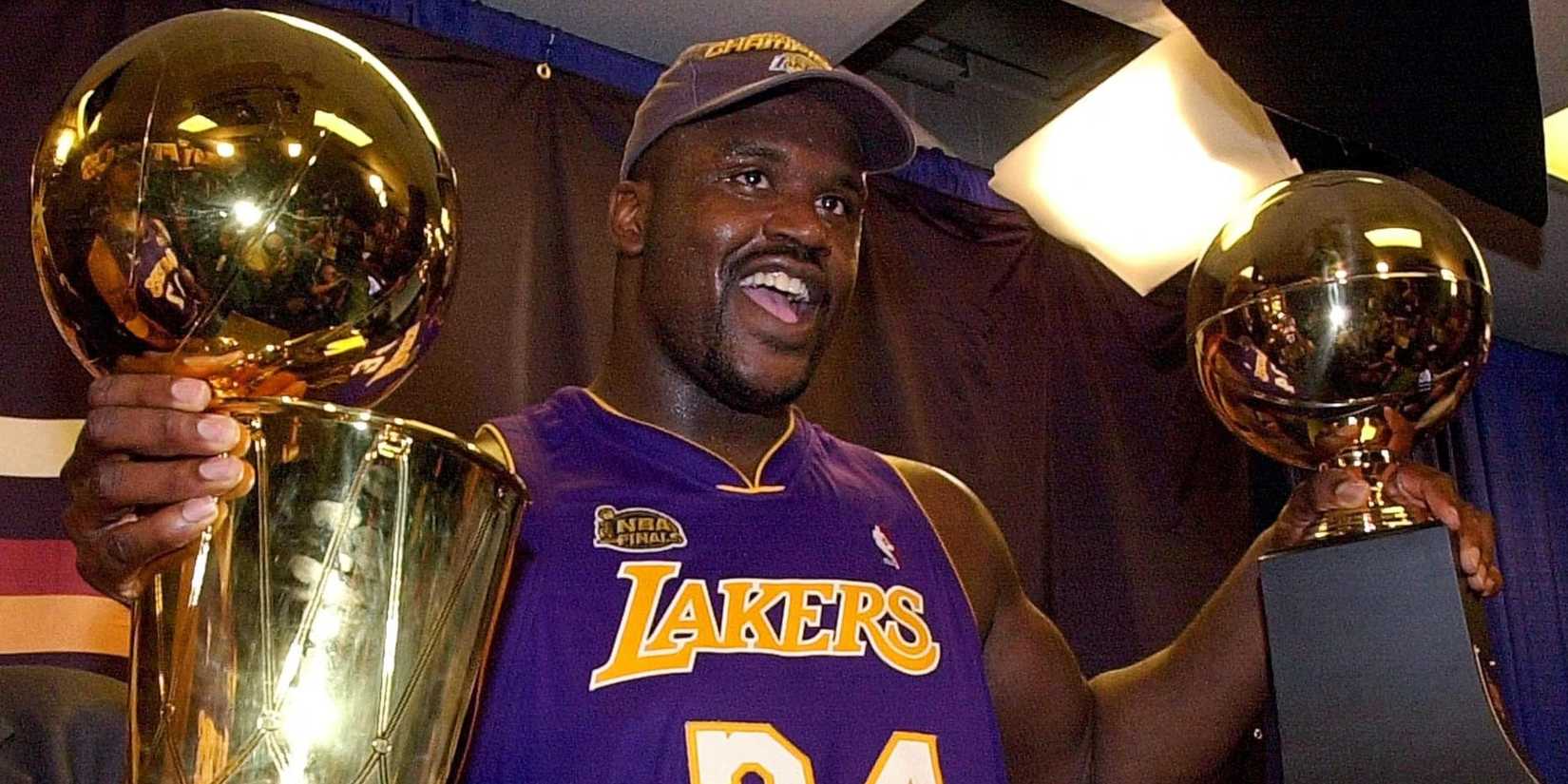
In 1999-00, Shaquille O’Neal added his name to this list. He won the regular season MVP over Kevin Garnett after averaging 29.7 points, 13.6 rebounds and 3.0 blocks. The duo of him and Kobe Bryant led the Lakers to the best record in the NBA, making them the championship favorite entering the postseason.
|
Shaquille O’Neal Stats 1999-00 |
||
|---|---|---|
|
Stat Category |
Regular Season |
NBA Finals |
|
PPG |
29.7 |
38.0 |
|
RPG |
13.6 |
16.7 |
|
APG |
3.8 |
2.3 |
|
BPG |
3.0 |
2.7 |
|
FG% |
57.4% |
61.1% |
The Lakers had a tough run to the Finals. In the first round, they defeated the  Sacramento Kings in five games. They then dominated the Suns in the second round before once again being tested, this time in seven games by the Trail Blazers. After defeating Portland, the Lakers advanced to the Finals to take on the Pacers.
Los Angeles defeated Indiana in six games, thanks to Shaq’s unbelievable series. In the Finals, Shaq averaged 38.0 points, 16.7 rebounds and 2.7 blocks en route to winning his first of three consecutive Finals MVP awards.
9
Tim Duncan
1 time: 2002-03
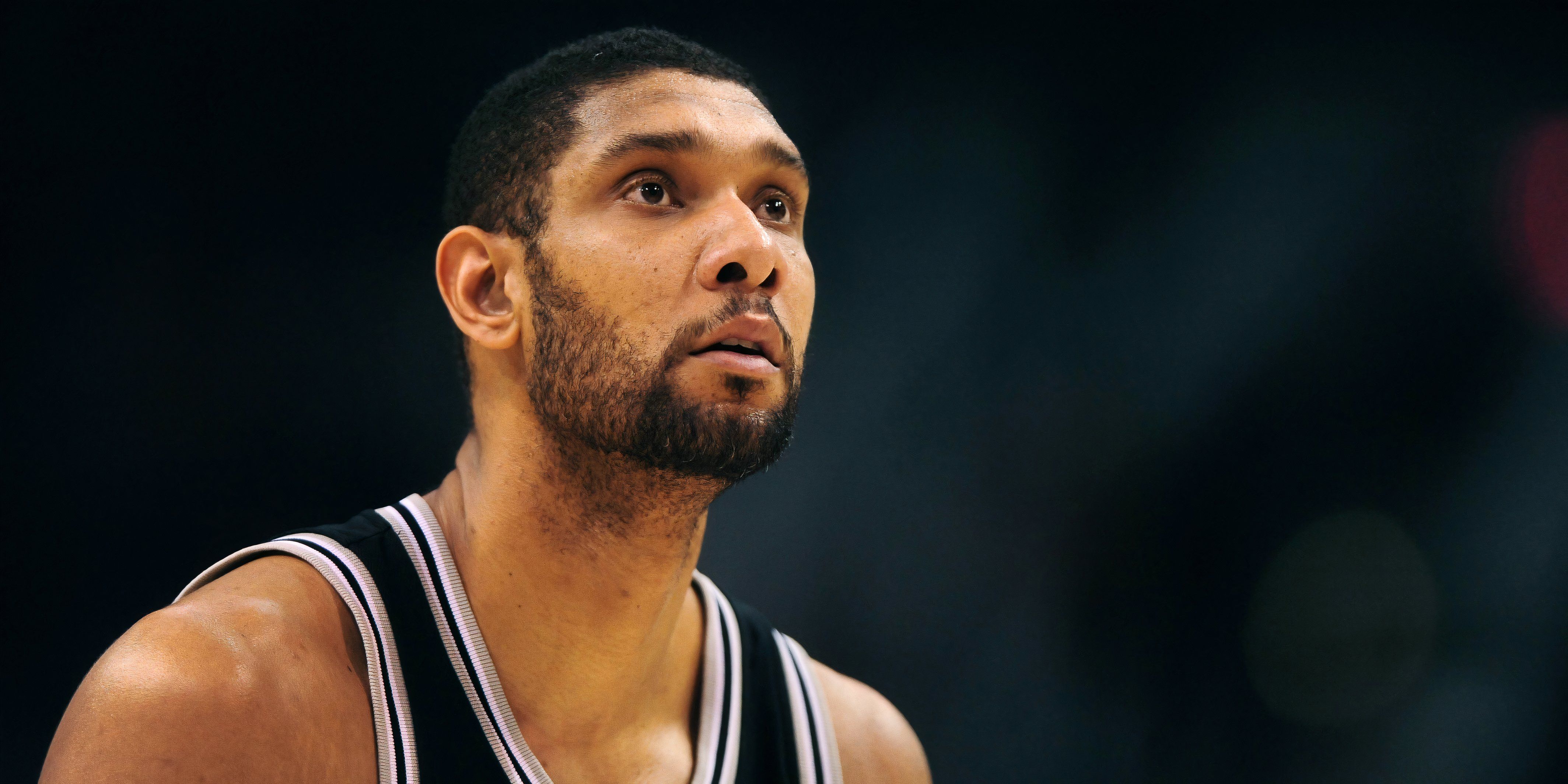
After winning MVP in 2001-02, Tim Duncan entered the 2002-03 season trying to go back-to-back. That is exactly what he would do, beating out Kevin Garnett in the MVP race after averaging 23.3 points, 12.9 rebounds and 2.9 blocks per game.
Duncan also led the  San Antonio Spurs to a 60-22 record, which was tied with the
  Dallas Mavericks for the best in the NBA.
|
Tim Duncan Stats 2002-03 |
||
|---|---|---|
|
Stat Category |
Regular Season |
NBA Finals |
|
PPG |
23.3 |
24.2 |
|
RPG |
12.9 |
17.0 |
|
APG |
3.9 |
5.3 |
|
BPG |
2.9 |
5.3 |
|
FG% |
51.3% |
49.5% |
In the playoffs, the Spurs advanced past the Suns, Lakers and Mavericks, all in six-game series. They then faced the New Jersey Nets in the Finals, defeating them in six games. Duncan dominated the series, averaging 24.2 points, 17.0 rebounds, 5.3 assists and 5.3 blocks per game, taking home the Finals MVP award.
10
LeBron James
2 times: 2011-12 and 2012-13

The last player to win both MVP awards in the same season was LeBron James, who did so in back-to-back seasons in 2011-12 and 2012-13.
During the 2011-12 season, LeBron averaged 27.1 points, 7.9 rebounds and 6.2 assists, beating out Kevin Durant in the MVP race. He also led the  Miami Heat to the second-best record in the East, behind the Bulls.
Despite not being the first seed, the Heat were still the favorite to win the title due to the big three of LeBron, Dwyane Wade and Chris Bosh. The trio led Miami past the Knicks, Pacers and Celtics, clinching a spot in the NBA Finals against the  Oklahoma City Thunder.
The Heat defeated the Thunder in five games, thanks to LeBron averaging 28.6 points, 10.2 rebounds and 7.4 assists. This was LeBron’s first championship and first Finals MVP award.
|
LeBron James Stats 2011-12 and 2012-13 |
||||||
|---|---|---|---|---|---|---|
|
Season |
PPG |
RPG |
APG |
SPG |
FG% |
3PT% |
|
Regular Season 2011-12 |
27.1 |
7.9 |
6.2 |
1.9 |
53.1% |
33.0% |
|
NBA Finals 2011-12 |
28.6 |
10.2 |
7.4 |
1.6 |
47.2% |
18.8% |
|
Regular Season 2012-13 |
26.8 |
8.0 |
7.3 |
1.7 |
56.5% |
36.2% |
|
NBA Finals 2012-13 |
25.3 |
10.9 |
7.0 |
2.3 |
44.7% |
35.3% |
LeBron would double down in 2012-13, averaging 26.8 points, 8.0 rebounds and 7.3 assists during the regular season. He was once again named MVP, beating out Durant for the second consecutive season. He also led the Heat to a 66-16 record, the best in the NBA.
In the playoffs, Miami dominated their way past the Bucks and Bulls in the first two rounds. In the Conference Finals, though, the Pacers tested the Heat, but ultimately fell in seven games. That set up an NBA Finals matchup between the Heat and the Spurs.
In the Finals, the Spurs started off strong, taking a 3-2 lead heading into game six. The series looked like it was over as the clock wound down in game six, but then Ray Allen hit the game-tying three with five seconds remaining, forcing overtime, where Miami would pull away and win. They then went on to win game seven, capturing their second title in two seasons.
LeBron dominated in the Finals, averaging 25.3 points, 10.3 rebounds and 7.0 assists en route to winning his second consecutive Finals MVP award.

Related
Unanimous NBA Rookie of the Year Winners
Only six players in NBA history have won the Rookie of the Year award unanimously. Here is a look at all of them.
About Author

You may also like
-
Michael Carrick opens up on Manchester United future
-
What Happens If Arsenal and Man City Finish on the Same Points
-
Kompany targets Osimhen as Kane successor, but Man United and PSG not keen
-
Christian Falk reveals Bayern Munich stance on Michael Olise amid Liverpool interest
-
Guessand Needs Five More G/A for Permanent Move